
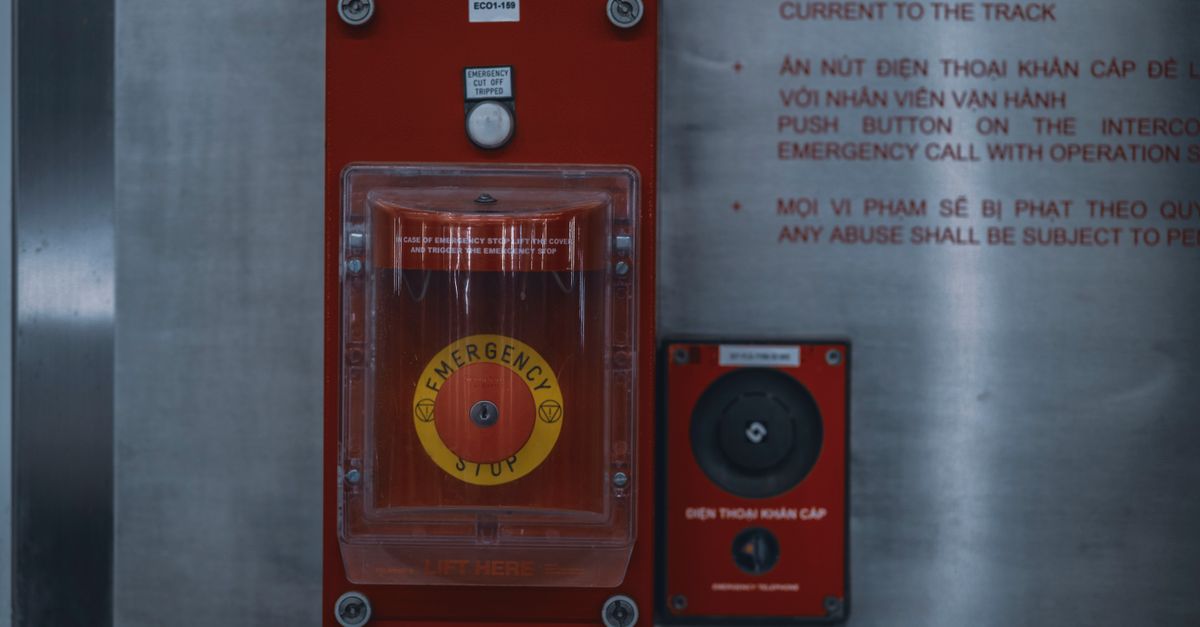
What Panic Bar Installation Actually Involves on a Commercial Door
A panic bar installation is not simply bolting a metal bar across a door. The process begins with identifying the door type — hollow metal, aluminum storefront, wood — and its existing prep work, meaning the cutouts and reinforcements already in the frame and door slab. A rim-mount exit device sits on the face of the door and latches into a strike on the frame, making it the most straightforward option for doors without deep edge prep. A mortise exit device, by contrast, integrates a full mortise lock body into the door edge, giving you a panic bar with mortise lock functionality: the bar retracts both the latch and a deadbolt simultaneously, providing higher security without sacrificing emergency egress speed. Vertical rod devices work on double doors or doors where top and bottom latching is required by code, sending rods up into the door header and down into the threshold.
Our locksmiths assess the door, frame condition, and applicable code requirements before selecting hardware. We then align the device precisely so the bar engages at the correct height — between 34 and 48 inches from the floor per ADA and building code — and verify that the panic release force does not exceed 15 pounds, another code threshold. On older Bronx commercial buildings where frames may have shifted or been repaired over the years, this alignment work is critical. We use the proper fasteners for each substrate, apply a damage-free approach wherever the door condition allows, and test the full travel of the device multiple times before we consider the job complete.