Signs Your Commercial Lock Replacement Can't Wait
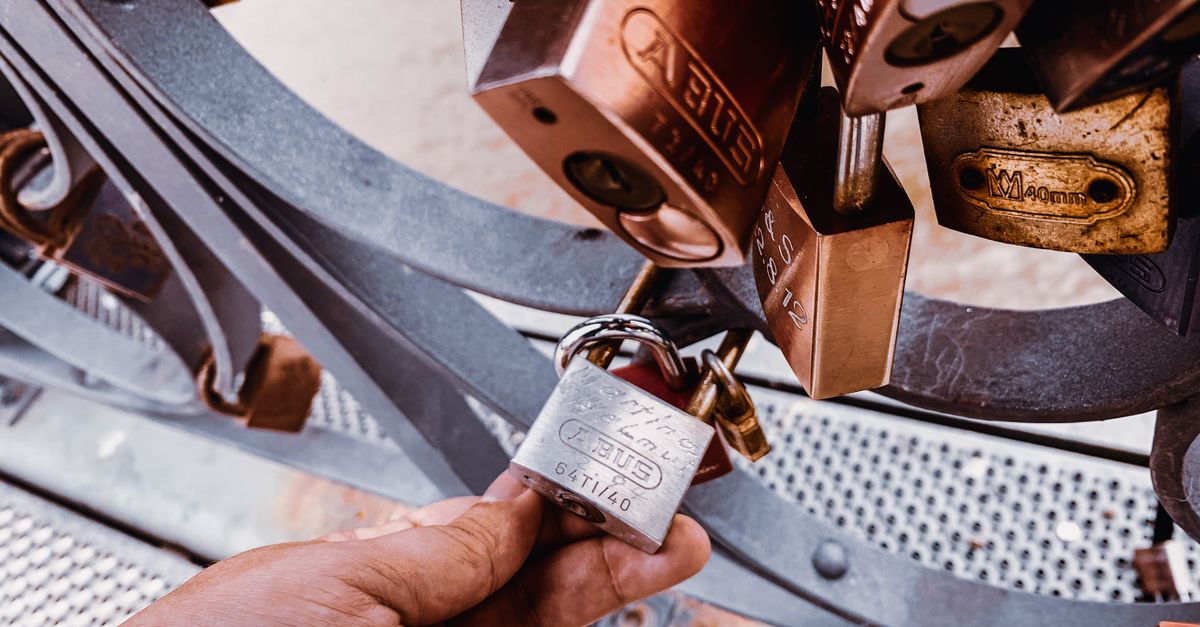
Locks rarely fail all at once — they degrade gradually, and that slow decline is easy to ignore until a genuine security event forces the issue. A key that requires extra force to turn, a deadbolt that no longer fully extends into the strike plate, a door that won't hold shut in the wind — these are not minor inconveniences. They are early warnings that your lock is no longer performing the job it was installed to do. In a busy Bronx commercial corridor or a multi-unit building where dozens of people move through daily, a compromised lock creates a gap that experienced criminals know how to exploit. Other clear signals include visible corrosion on the cylinder or body, a latch that moves without resistance, or a lock that has been drilled, pried, or otherwise tampered with — all situations where replacement is the correct response, not adjustment.
Employee turnover and tenant changes create a separate but equally serious problem: key control. When keys have been duplicated over months or years and you no longer know how many copies exist or who holds them, rekeying is sometimes enough — but if the lock cylinder is worn or the hardware is outdated, a full commercial lock replacement is the more durable solution. Our technicians will give you an honest assessment of whether rekeying or full replacement is appropriate for your specific situation, so you're not paying for more than you need or settling for less protection than your property requires.